Practical tools to support more talking, playing, reading, and connecting.
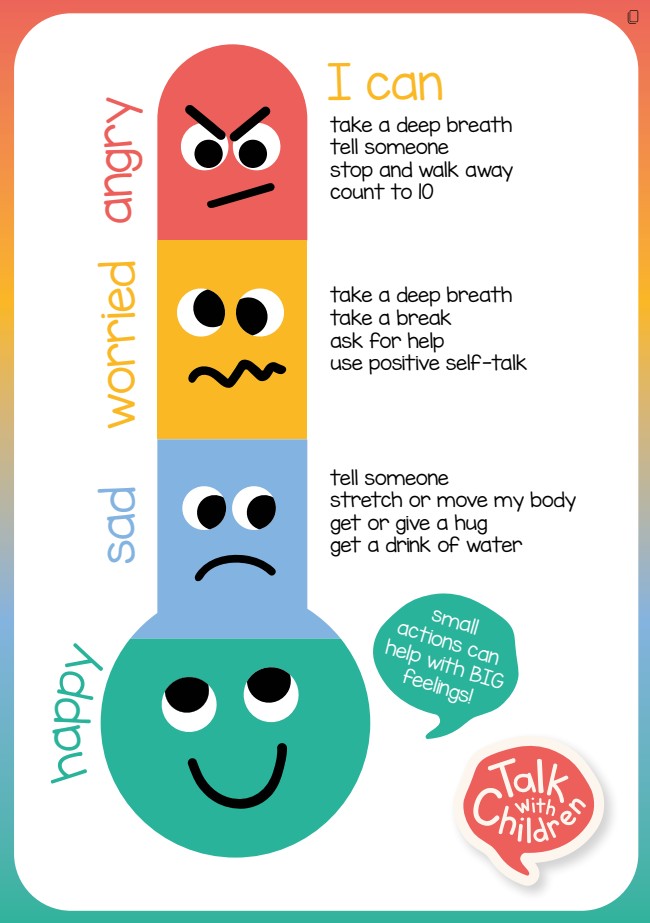
Browse our collection of games, downloadable resources, including activity sheets, conversation prompts, posters, guides, and campaign materials designed for whānau, educators, early learning services, and community organisations.
Find ideas to use at home or resources to share with your community, and simple tools that help turn everyday moments into opportunities for connection and communication.
Easy and fun games designed to invoke play and get the conversion going

Songs with fun & easy to follow actions.
Watch short inspirational videos to help you bring more talking, playing, and connecting into everyday life.
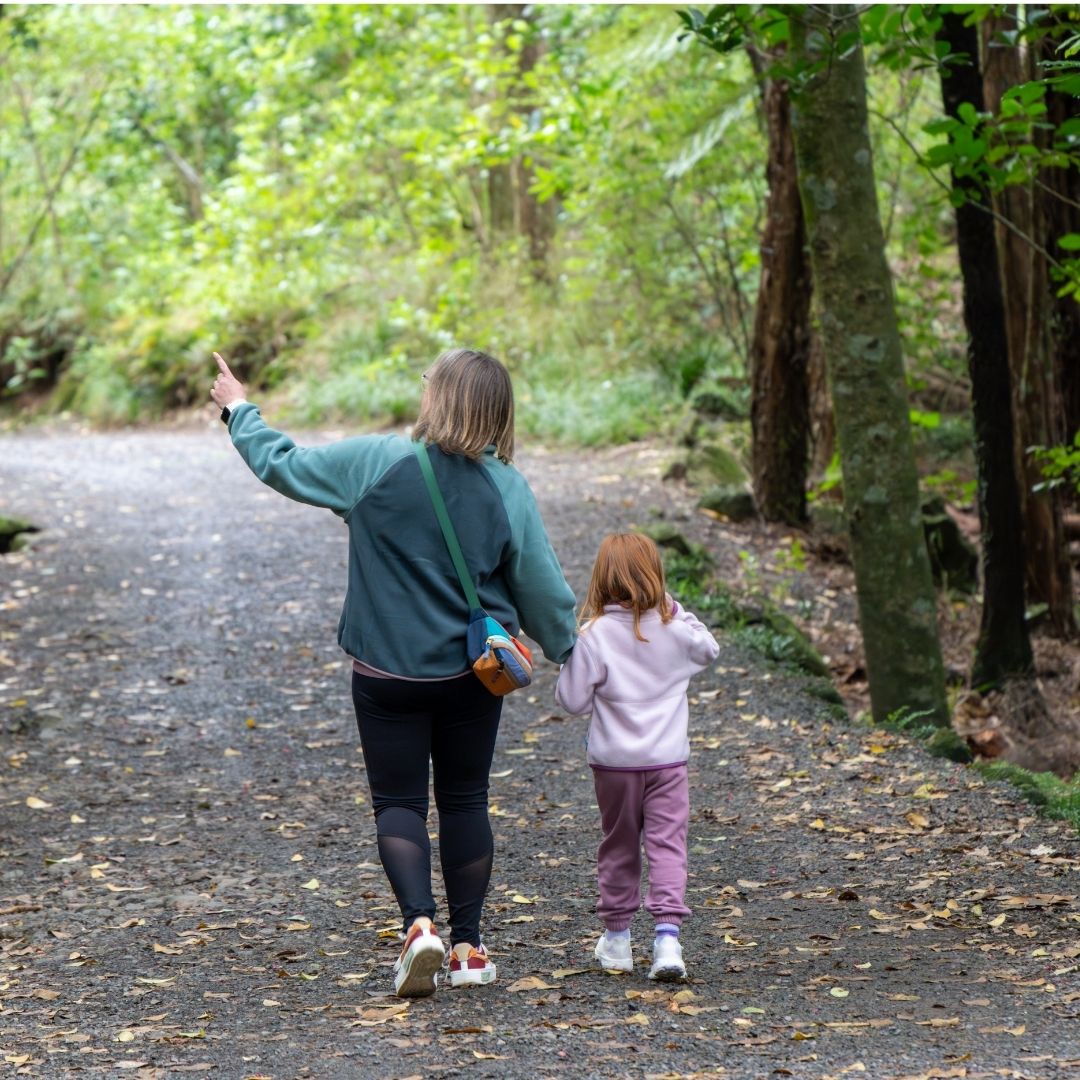

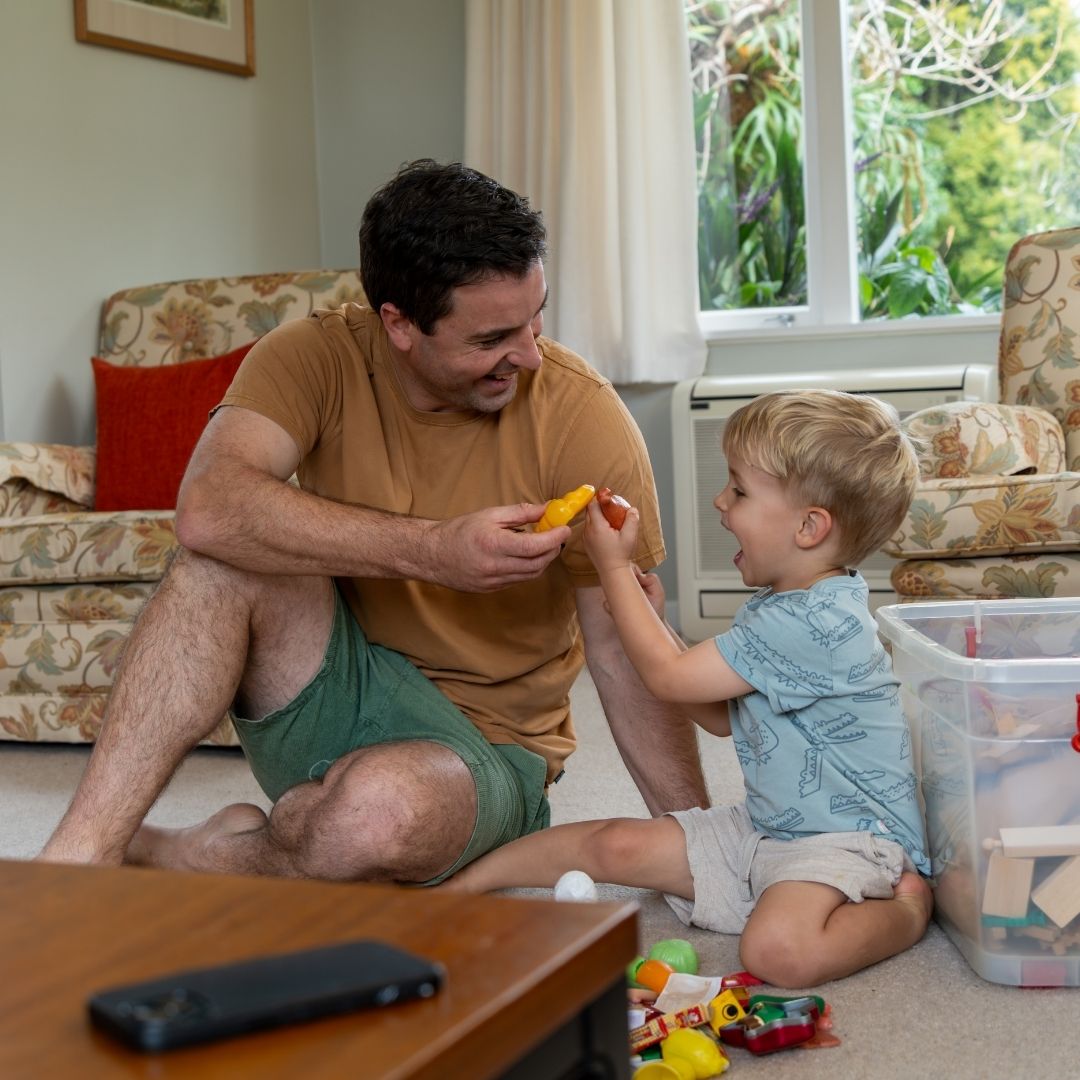
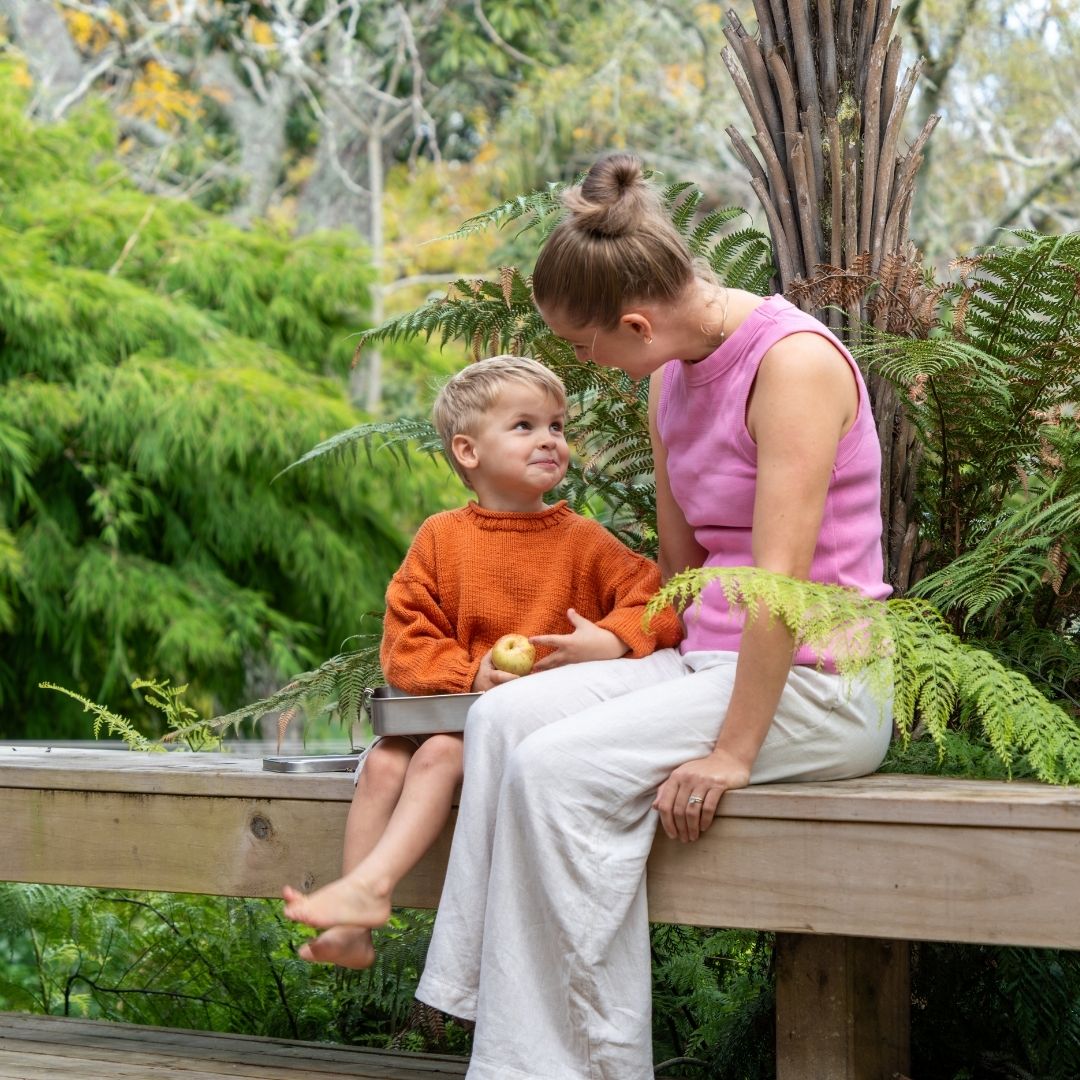
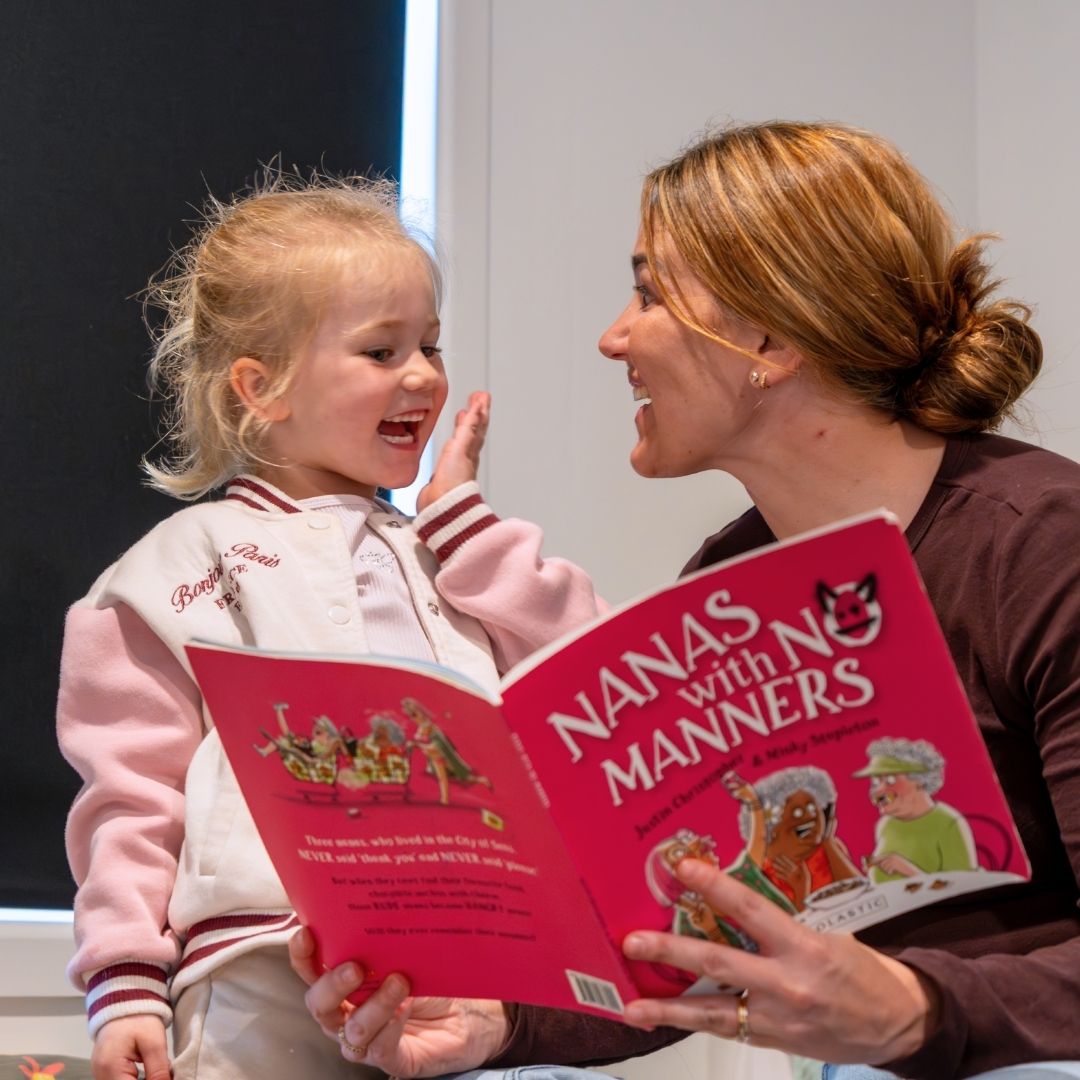
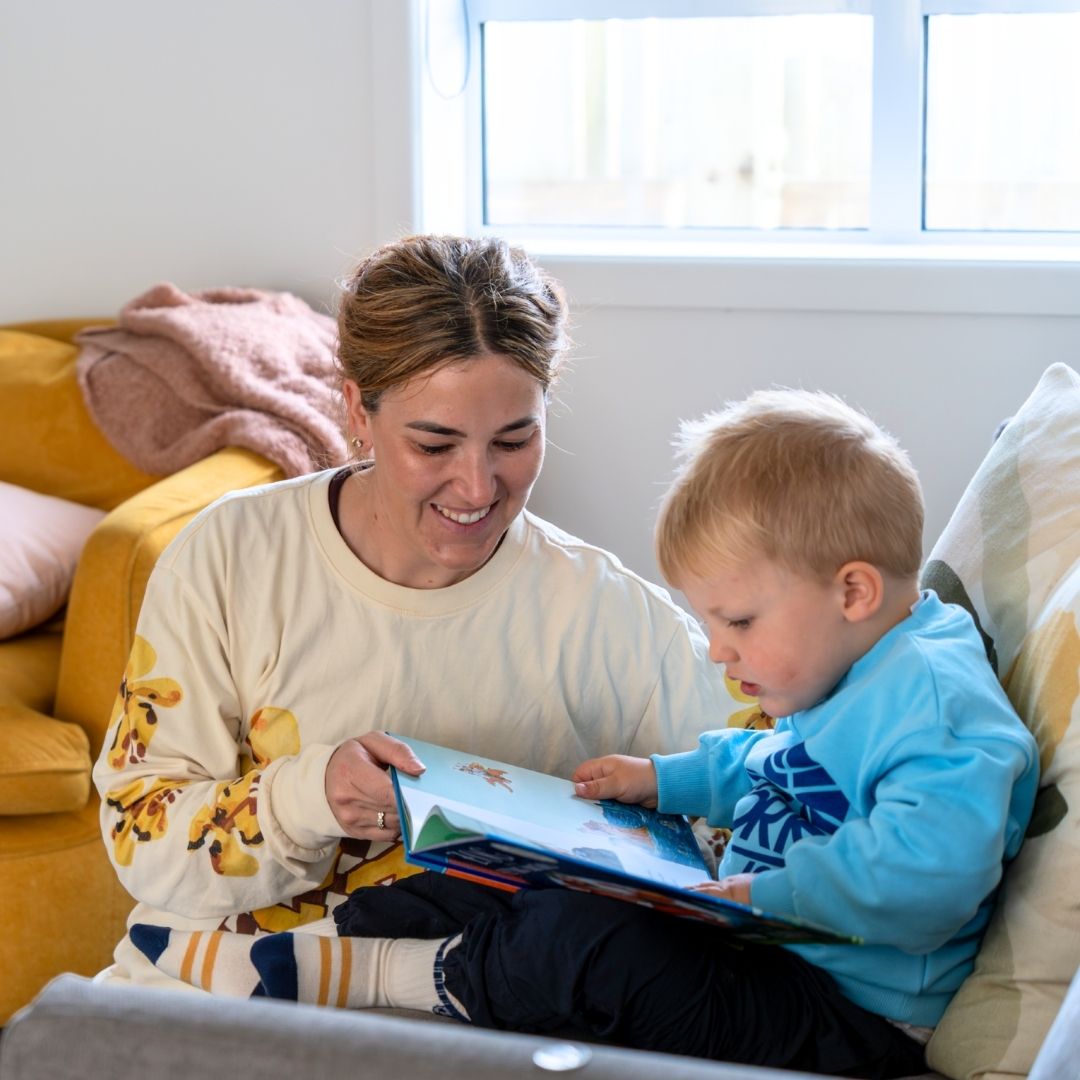
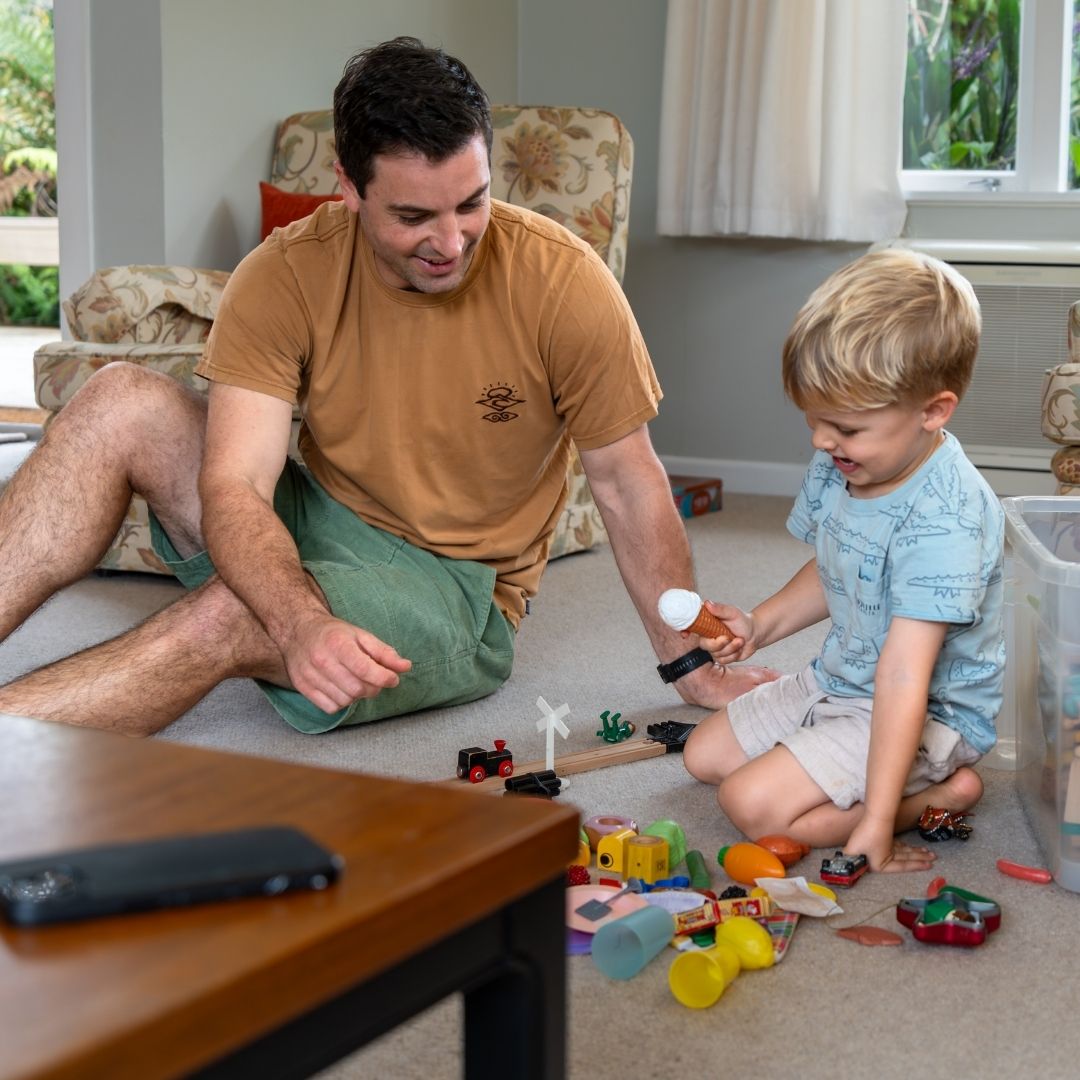
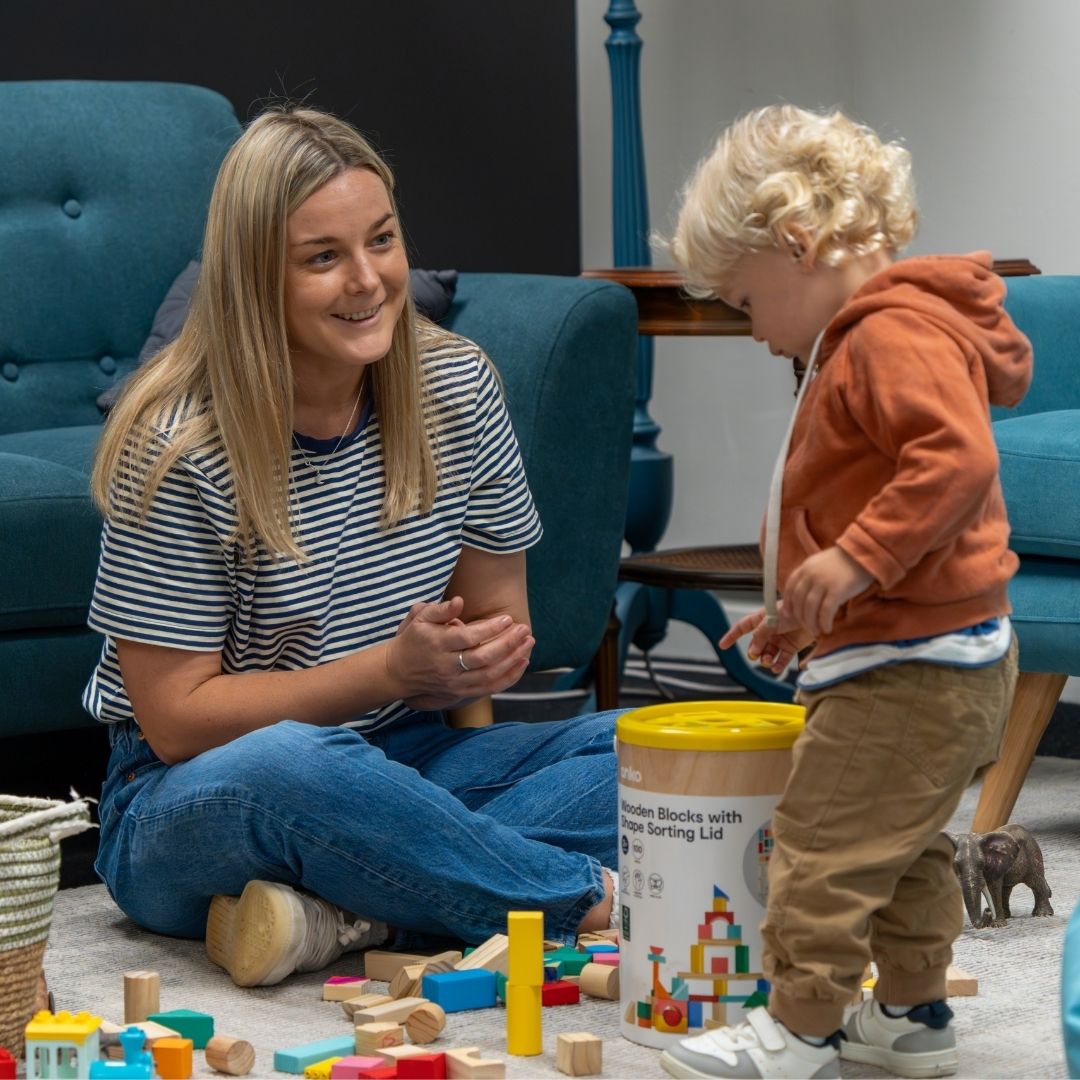
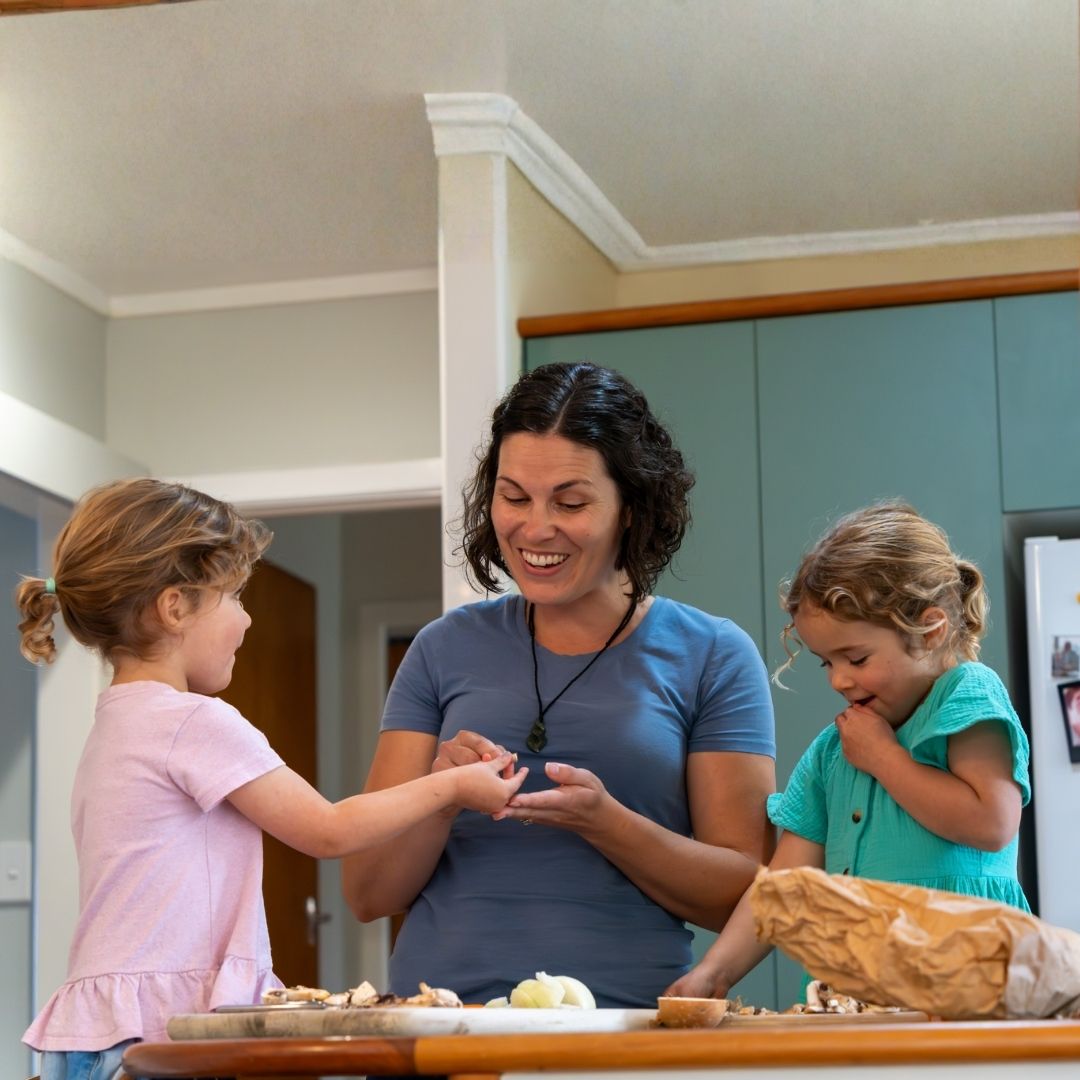
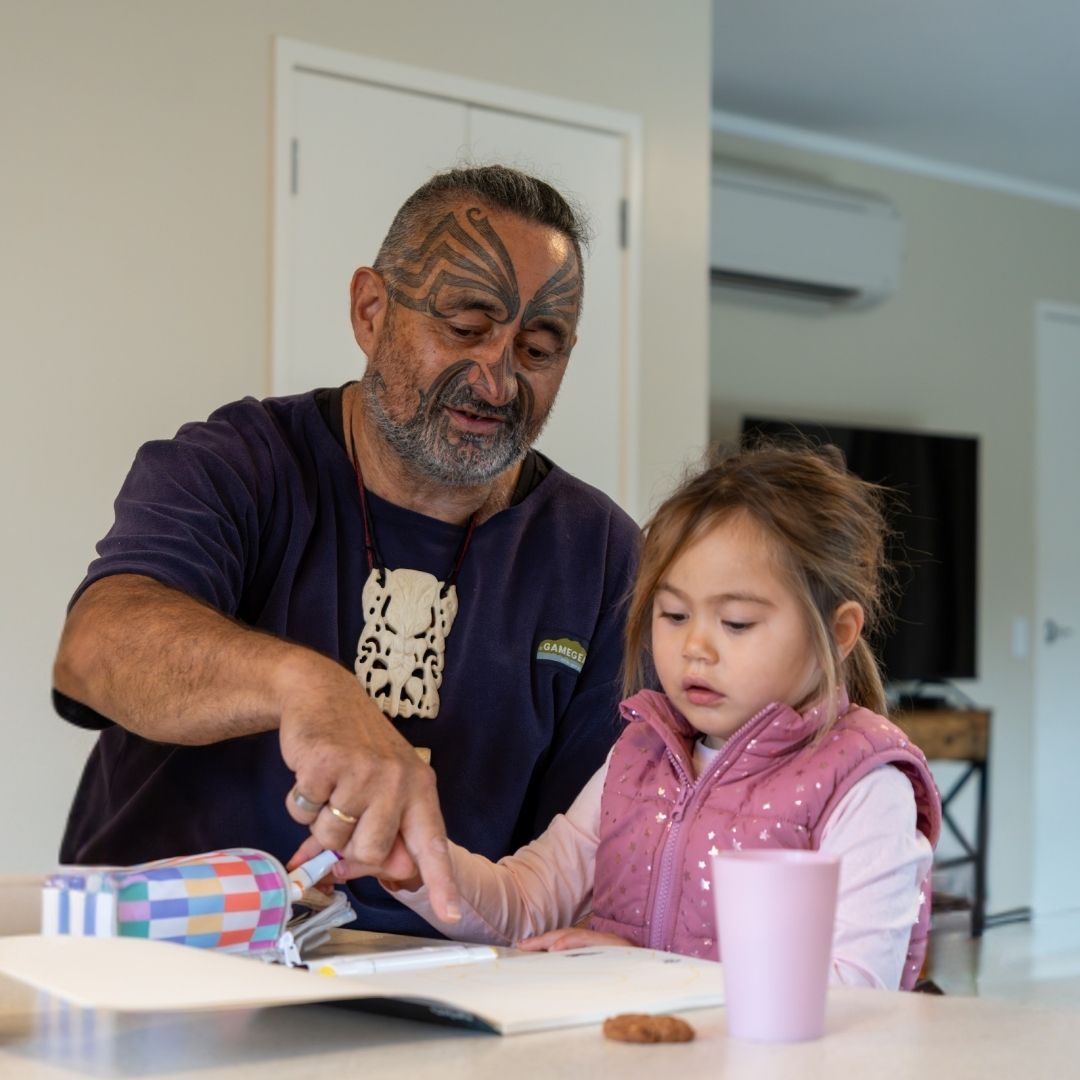
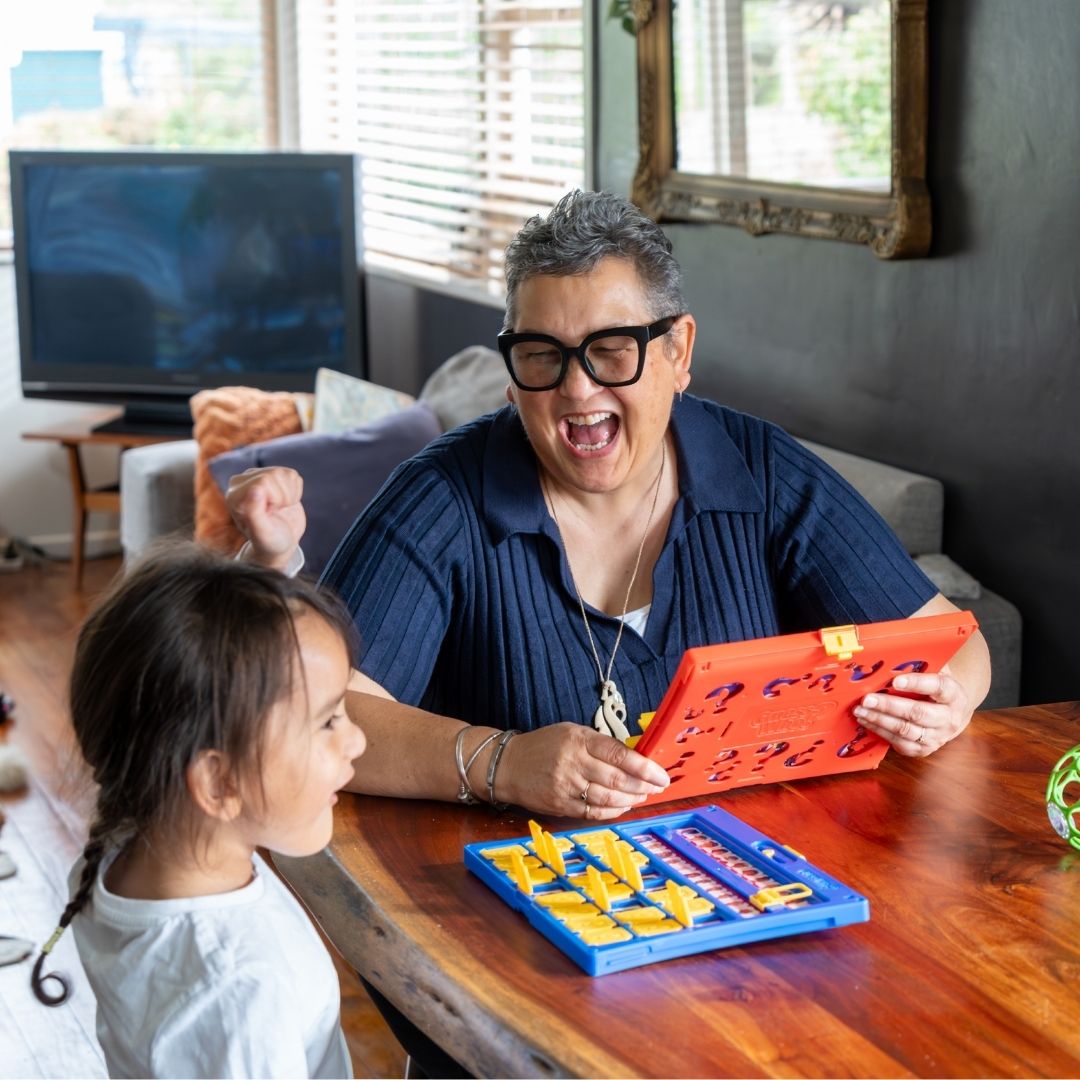
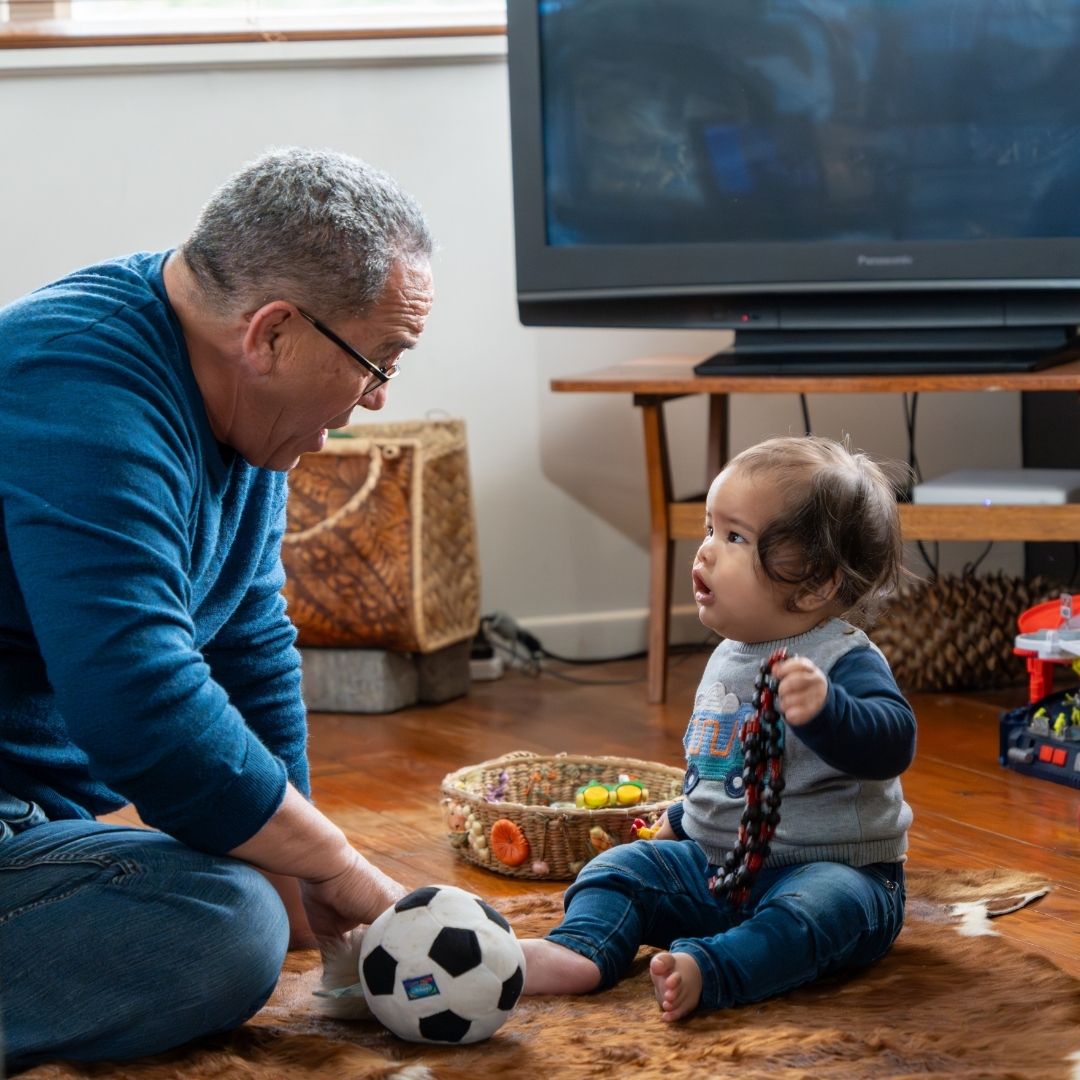
Learn more about the importance of early language development, communication, connection, and play through evidence-based information and insights from experts.
Conti-Ramsden, G., & Durkin, K. (2012). Language development and assessment in the preschool period. Neuropsychology Review, 22 (4), 384–401. https://doi.org/10.1007/s11065-012-9208-z
Mulderry, C., Jackson, B. N., & Purdy, S. C. (2024).Children's speech, language and communication skills and parental knowledge in the Growing Up in New Zealand cohort. International Journal of Language & Communication Disorders, 59 (6), 1850–1864. https://doi.org/10.1111/1460-6984.13035
Newbury, J., White, B., Meissel, K., Panther, N., Cook, H.,Cowie, R., & Reese, E. (2025). Cultural perceptions of language development in a population sample of 54-month-old children from Aotearoa New Zealand. American Journal of Speech-Language Pathology, 34(1), 118–138.
Sivertsen, C. R. (2022). Early childhood teachers' contribution to oral language: An exploration of New Zealand kindergarten teachers' knowledge, beliefs and practices [Unpublished master's thesis]. University of Canterbury Te Whare Wānanga o Waitaha.
O'Donnell, M. B., Falk, E. B., & Lieberman, M. D. (2015). Social in, social out: How the brain responds to social language with more social language. Communication Monographs, 82 (1), 31–63.
Kuhlen, A. K., & Abdel Rahman, R. (2023). Beyond speaking: Neurocognitive perspectives on language production in social interaction. Philosophical Transactions of the Royal Society B: Biological Sciences, 378 (1875), Article 20210483. https://doi.org/10.1098/rstb.2021.0483
Oesch, N. (2024). Social brain perspectives on the social and evolutionary neuroscience of human language. Brain Sciences, 14 (2), Article 166. https://doi.org/10.3390/brainsci14020166
Supunya, N., & Tangkiengsirisin, S. (2025).Interactional competence in language use: A literature-informed review of influencing factors. GEMA Online® Journal of Language Studies, 25 (2).
Wieczorek, K., DeGroot, M., Ganshorn, H., & Graham, S.A. (2025). Connecting language abilities and social competence in children: Ameta-analytic review. Child Development, 96 (3), 930–946.
Access activities, posters, guides, games, conversation prompts, and other resources to use at home, in early learning settings, or in your community.