

Play is where children start to make sense of the world.
It’s how they explore, experiment, imagine, and learn. Through play, our tamariki build thinking skills, problem solving abilities, sensory awareness, and social understanding.
And just as importantly, play is where language grows.
When adults join in, even in small ways, it’s an opportunity for children to learn new words and ideas.
Children don’t play with a plan.
Their play is led by curiosity, which is why the most powerful thing adults can do is follow their lead – not take over, direct, or turn it into something else.
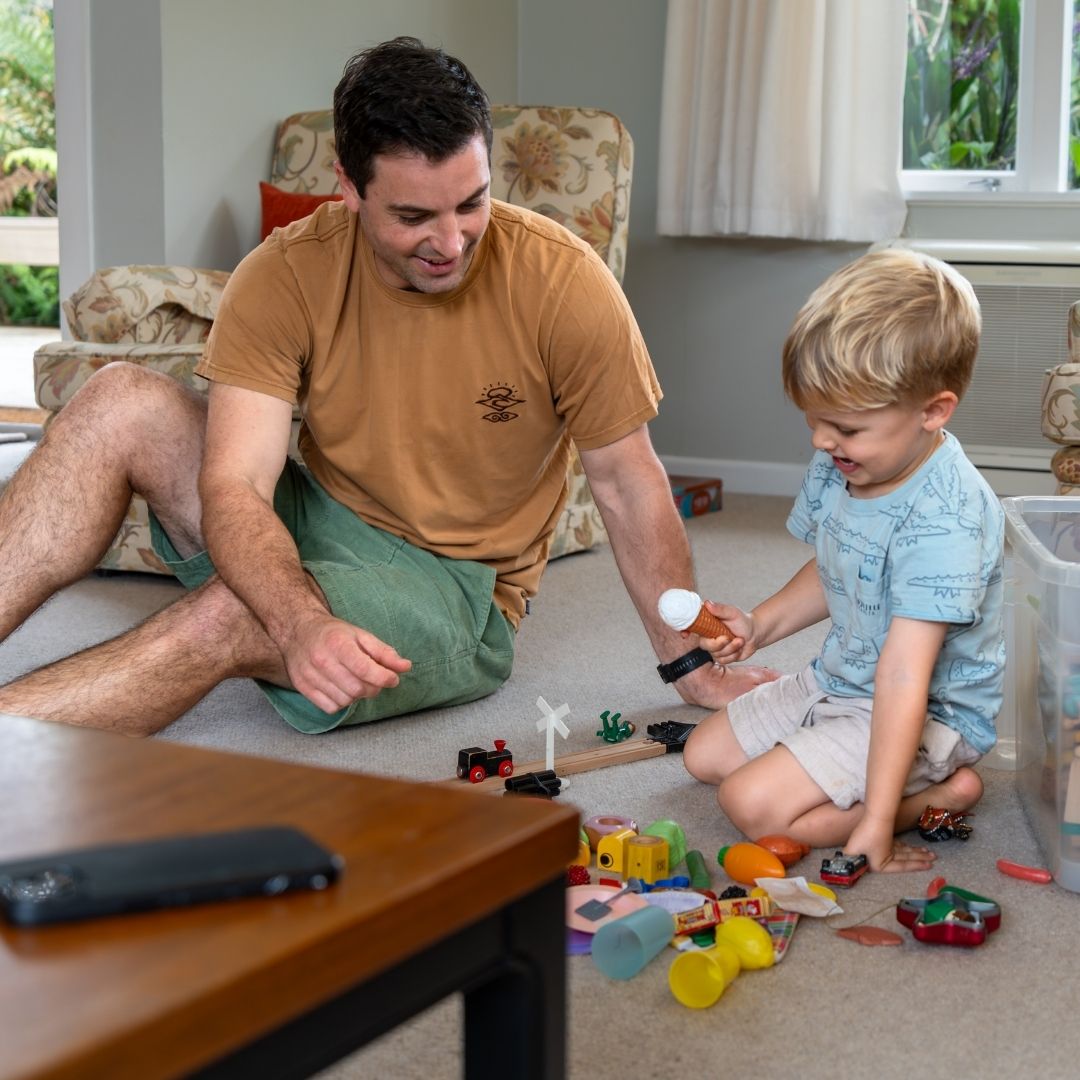
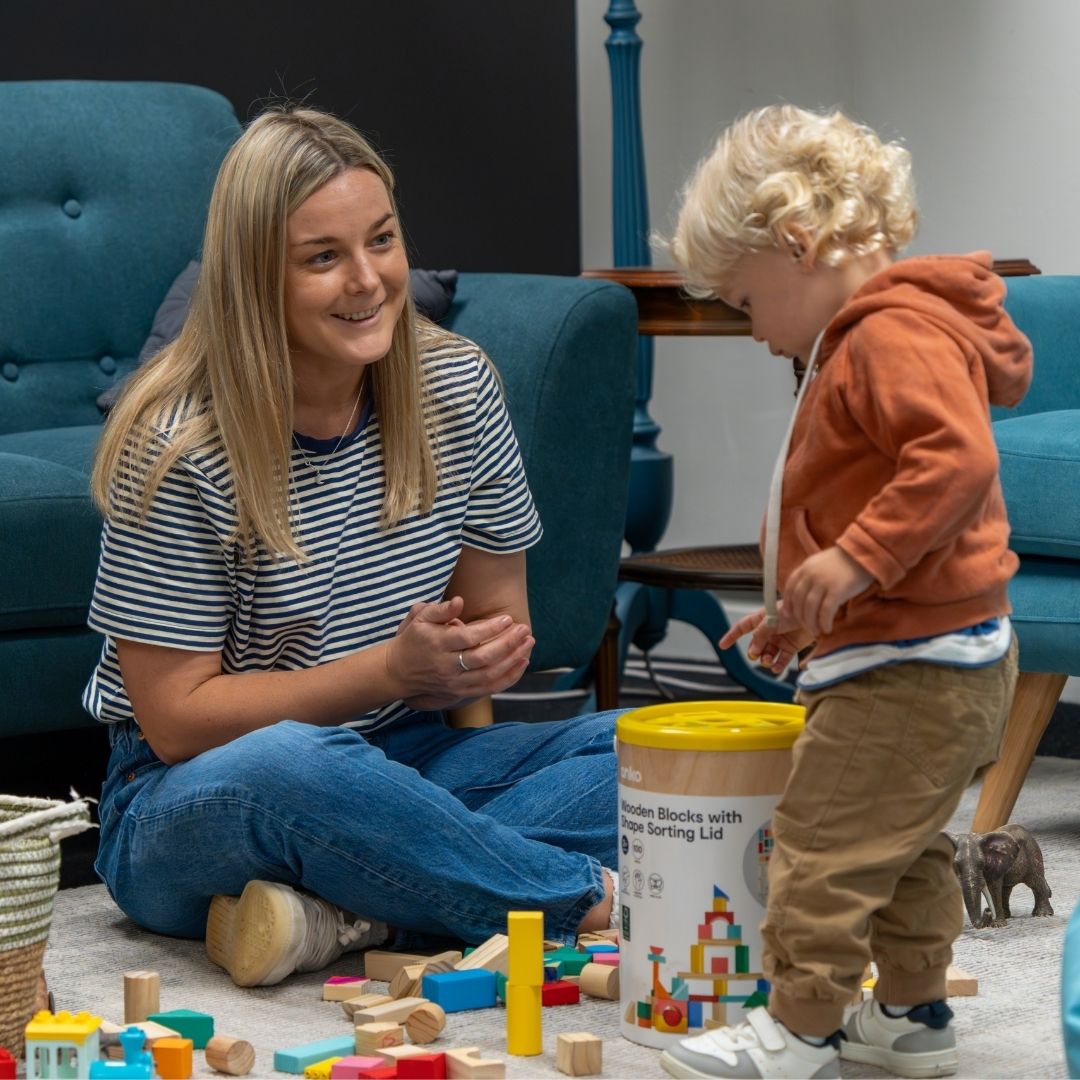
You don’t have to guide the play, just be a part of it.
Joining play can be simple:
Even small actions help children feel seen and form connections.
From there, conversation naturally begins.




In play, language doesn’t need to be taught – it just needs to be shared.
Try reducing instructions, and instead focus on describing what is happening in the moment:
“You’re building a tall tower!”
“I’ll put some blocks here.”
“Your car is going so fast!”
This kind of language gives tamariki words without pressure to respond correctly and helps add meaning to what they’re already doing.
Through play, children learn:
Every game, story or imaginative moment is an opportunity growth, especially when shared with a parent, caregiver or whānau member.
You don’t need structured activities or planned learning goals.
Just take the time to step into their world. When you join in the play, you’re building their confidence and communication skills.
Follow their lead.
Be present in their world.
Let the conversation grow.