

Before words come understanding. Before sentences come shared moments. And before children can express what they feel, they first need to feel seen, heard, and responded to.
This is where emotional language begins – in everyday connection with the people closest to them.
When we connect with our tamariki, we create the foundation for lifelong communication skills.
This connection isn’t just about language, but also about belonging, identity and whakapapa. It’s about knowing who they are, who they are with, and that their voice matters in the world around them.
From this place of connection, words grow.
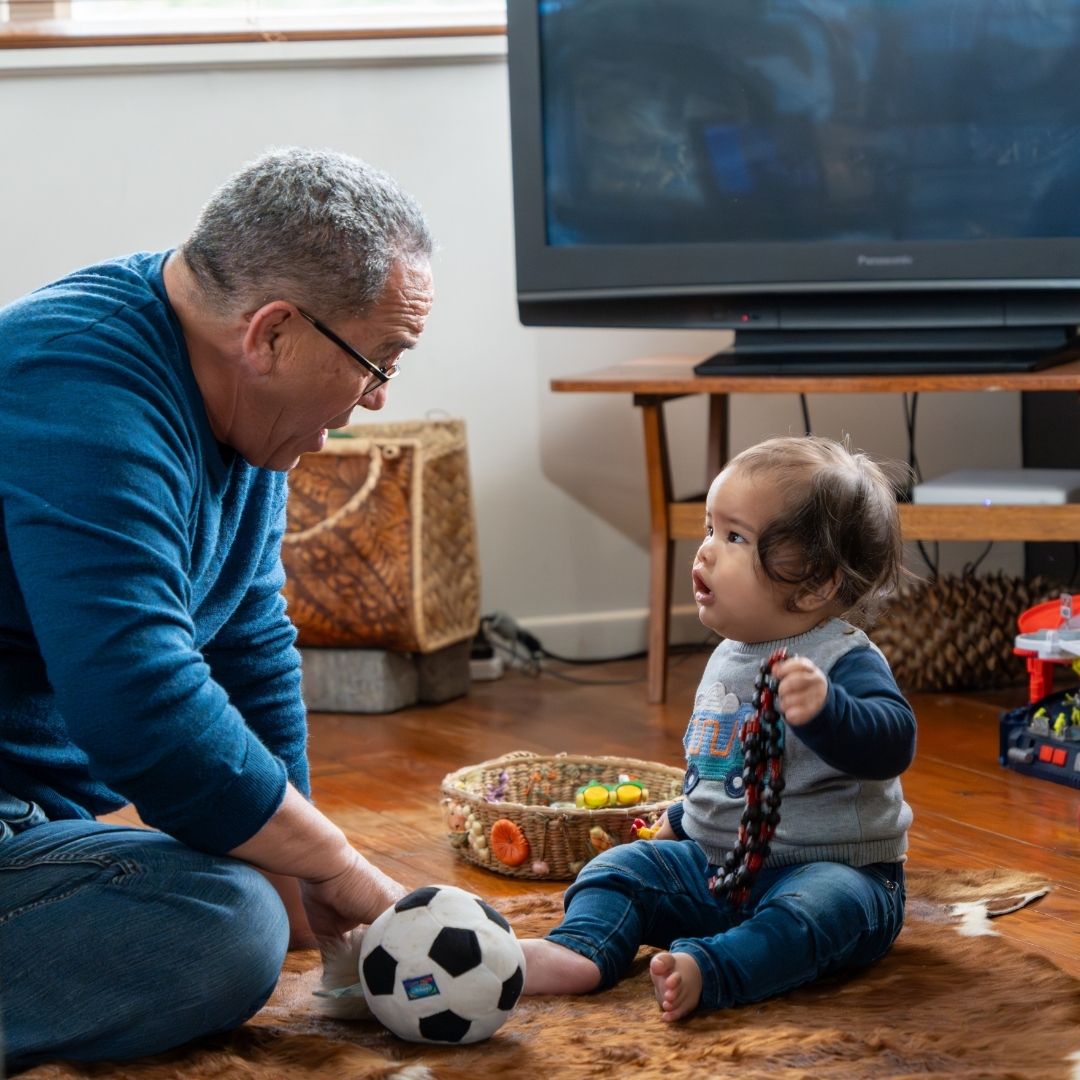
Before they even have full words, children communicate with us.
For babies, this might look like:
Responding positively to these early attempts at communication encourages growth.
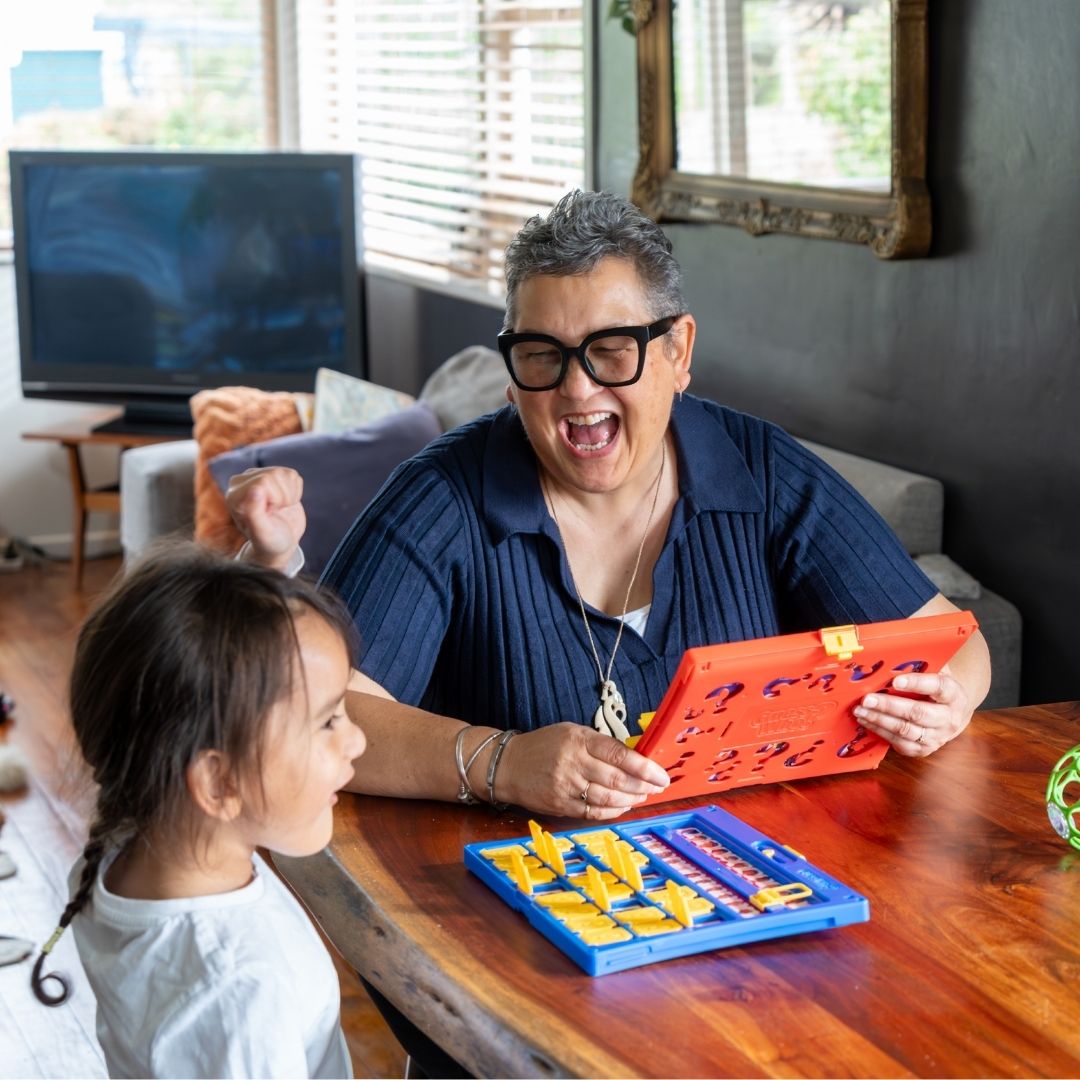
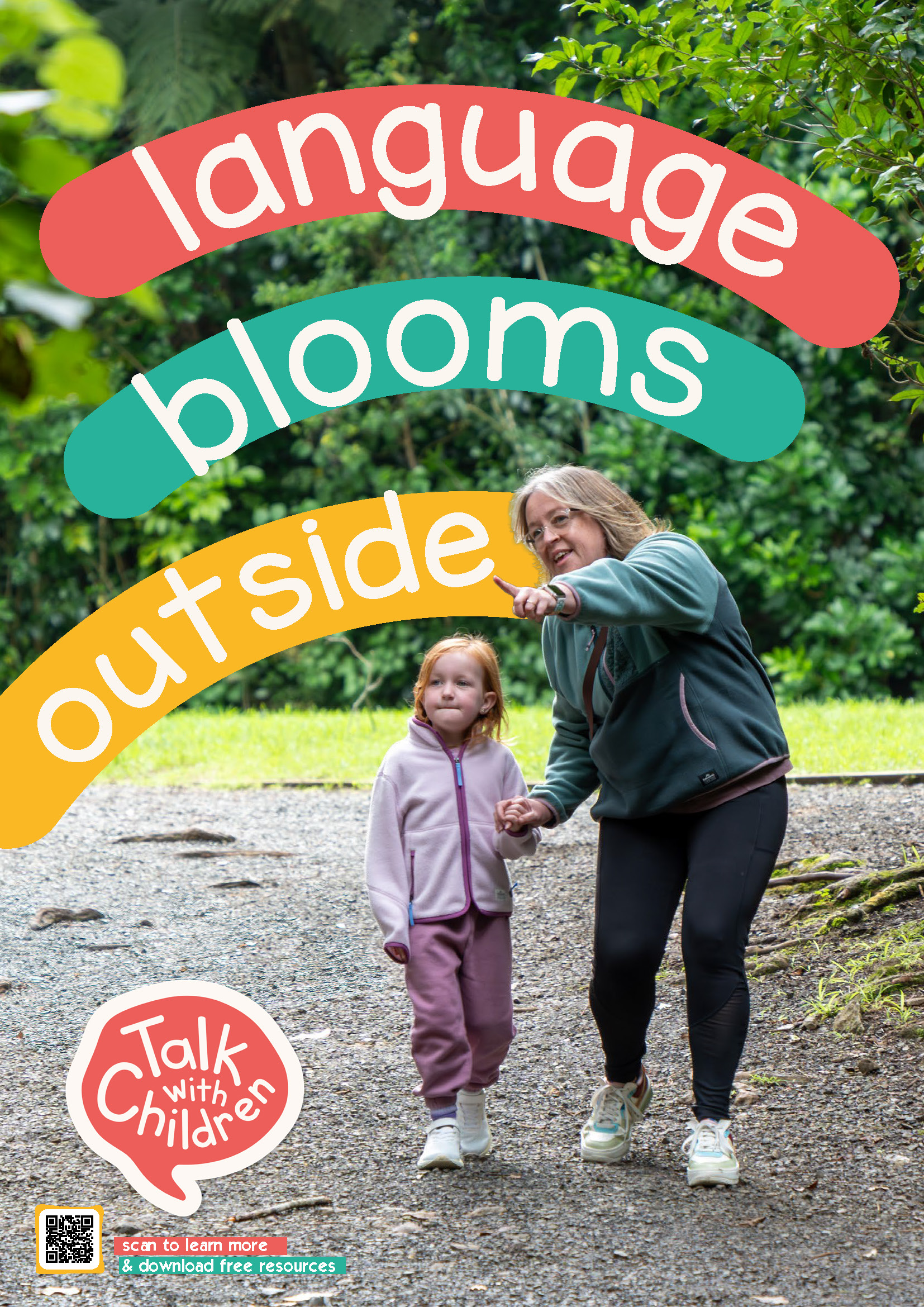
For early childhood and older children, fostering communication might look like:
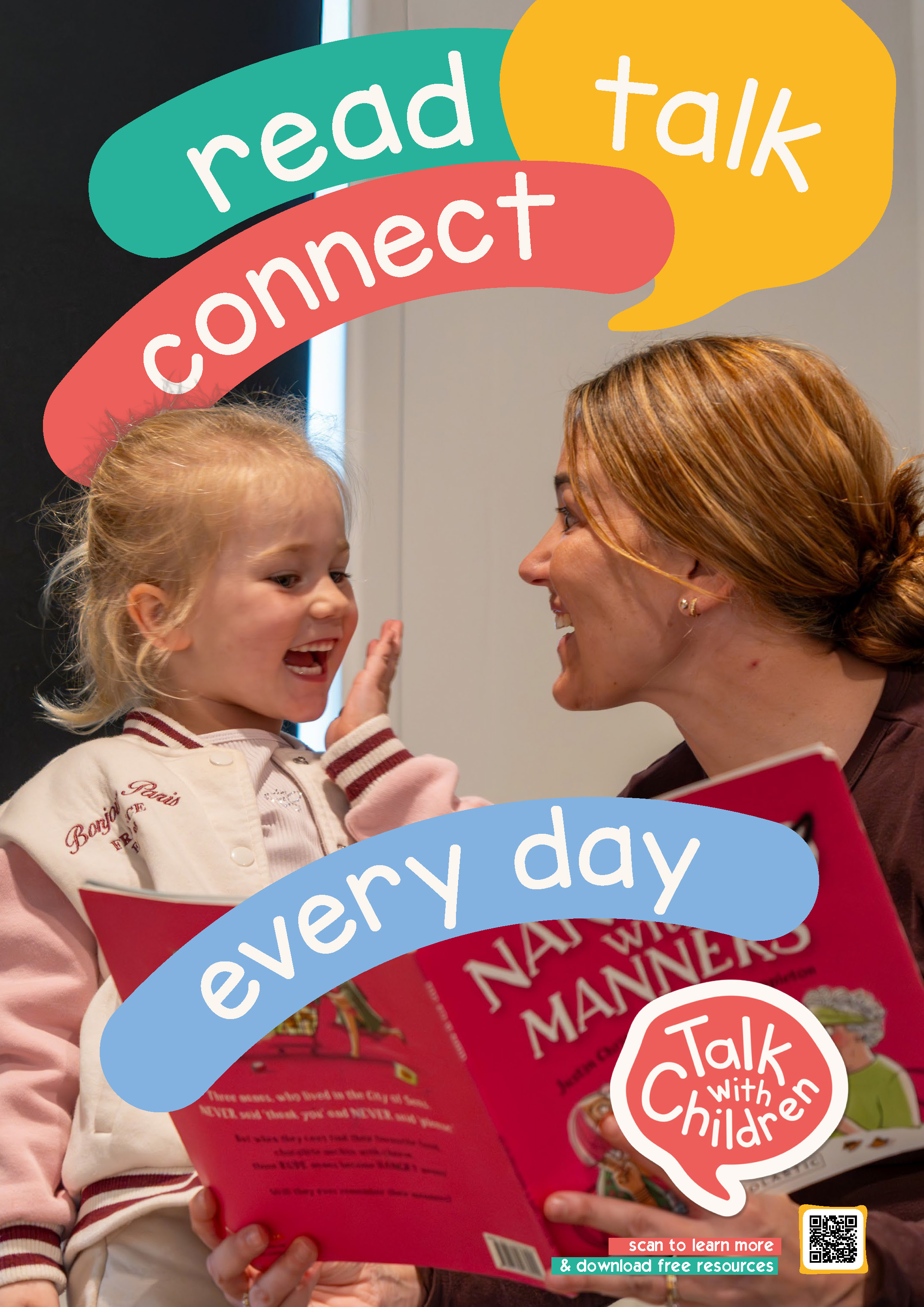
No matter their age, when children feel listened to, they keep communicating.




Emotional learning doesn’t happen alone – it happens in relationships with others.
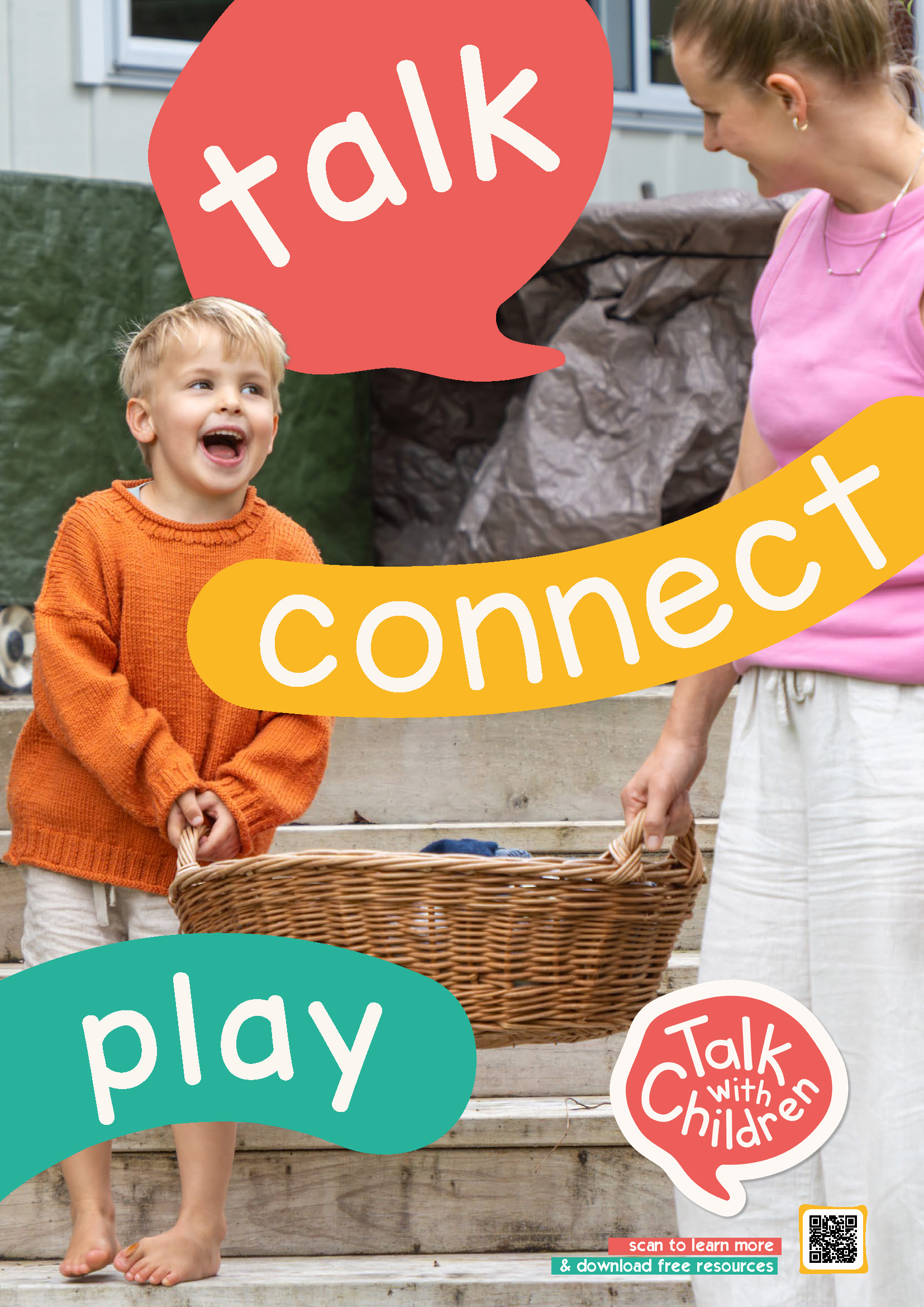
Through talking, playing, and everyday connection, our tamariki learn how to understand themselves and others.
When adults respond with interest, warm and attention, then children will feel safe to express more.
Every interaction is an opportunity to build understanding.
Not by correcting or directing, but by noticing and joining in.
Look and respond – that’s connection.
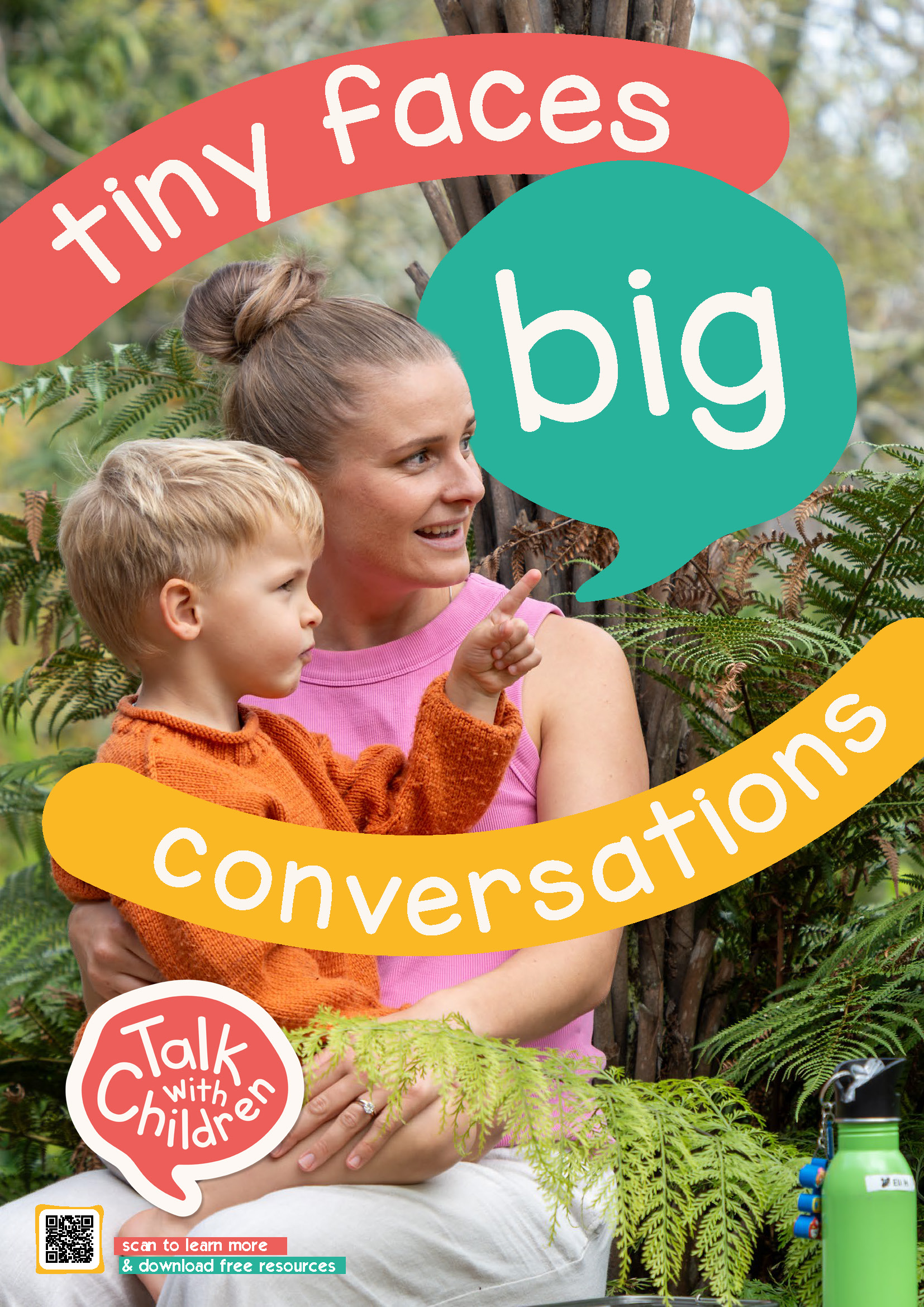
Tiny faces, big conversations.